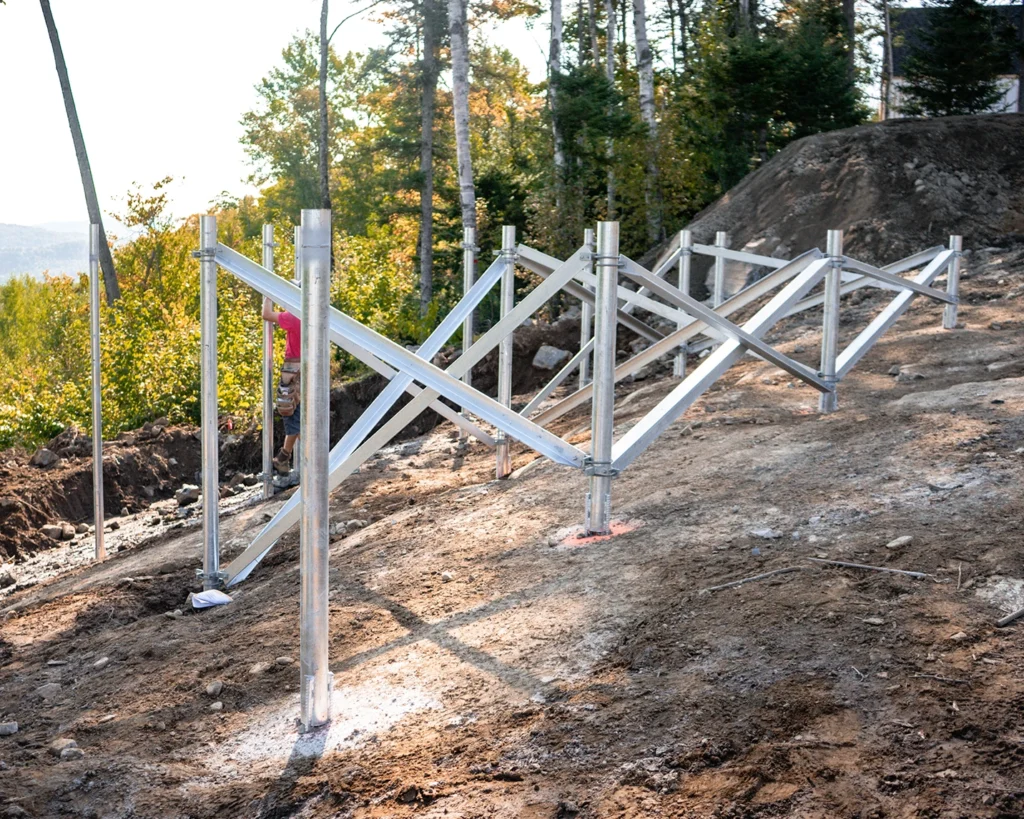
What are Screw Pile Foundations? A Complete Beginner’s Guide
All buildings require secure foundations to ensure their stability and longevity. Traditional methods of creating foundations have generally involved extensive excavations and the pouring of concrete to form a slab.
A more popular choice in many cases is the use of screw pile foundations. These provide many benefits and have the flexibility to be used on all types of projects
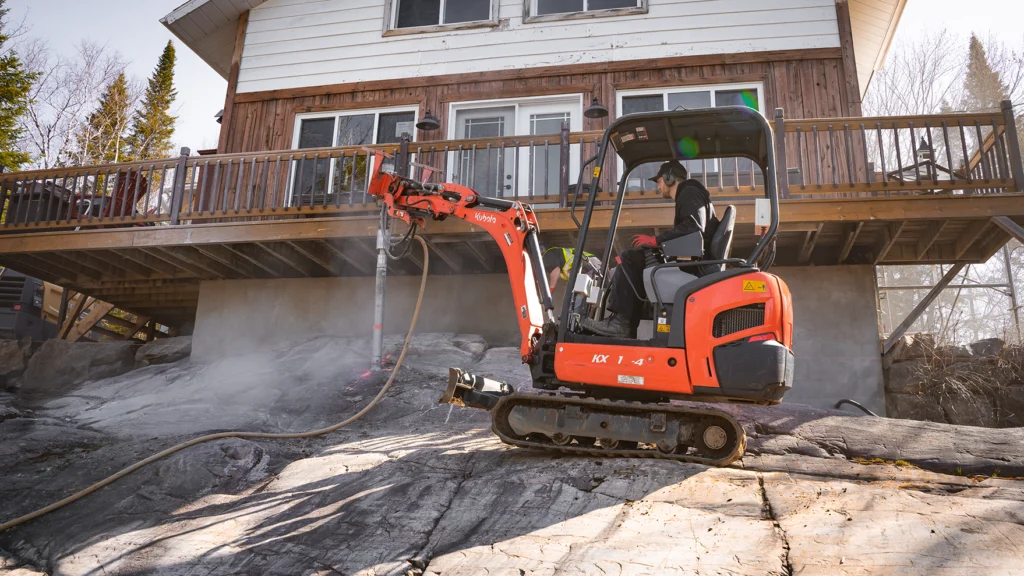
Screw Pile Foundations Explained
A screw pile has three components:
- A high-quality steel shaft that is driven into the ground with a rotating motion and transfers the load to the ground.
- A helical plate that resembles a large screw and grips the soil to act as an anchor and provide stability.
- A pile cap that connects the pile to the structure above it and distributes the load evenly.
The versatility of screw piling means it can be used in a variety of construction projects. These include anything from single-storey residential properties up to multi-storey commercial buildings and infrastructure projects. Different loads require varying pile types and depths, but screw piles are sufficiently flexible for all applications.
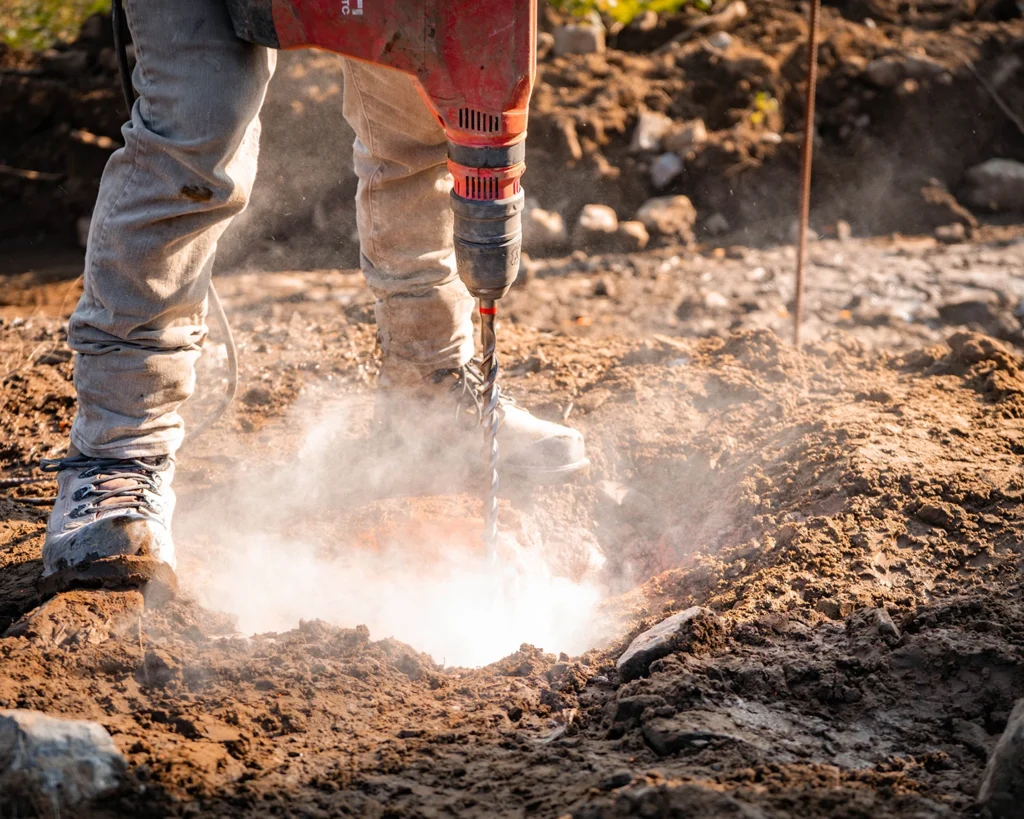
The Benefits of Screw Piling
Screw piles offer numerous advantages over traditional methods:
- Strong support is provided so there is exceptional stability and load-bearing capacity.
- Screw piling is suitable for all soil types, whether sand, clay or rock.
- Since the helical plates grip the soil, there is exceptional resistance to ground movement and vibration. This makes screw piling especially suitable for areas where there are seismic activity or soils that change due to variations in moisture levels.
- Installation is much quicker, cheaper and more efficient, with minimal excavation required and no time needed for concrete or other materials to set.
- The system is particularly suitable for sites with restricted access since heavy excavation equipment is not necessary.
- Limited excavation reduces the environmental impact.
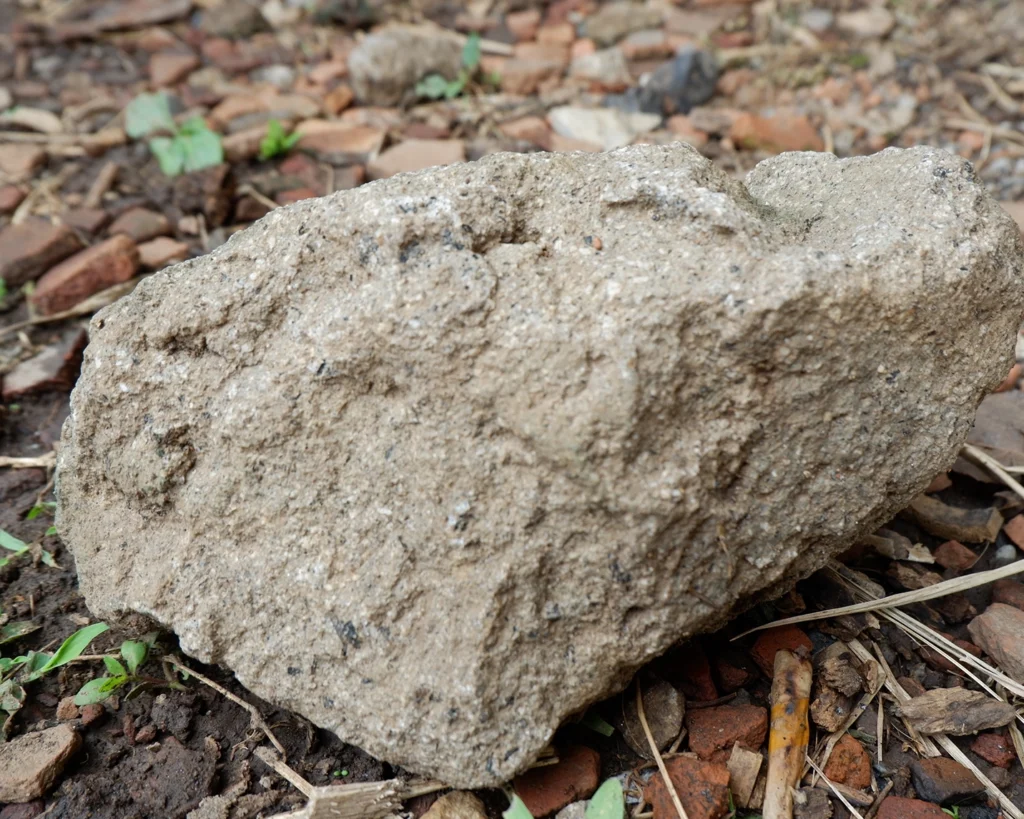
Installing Screw Piling
To install screw piling properly, a thorough site investigation needs to be conducted together with soil analysis. Combined with the type of building to be constructed, this will determine the necessary installation depth and the configuration of the screw pile.
Based on the results of the investigation and load requirements, screw piles will be designed and constructed. Site preparation will then be carried out, including marking the positions for each pile. Installation will require the use of specialised machinery to enable the piles to be screwed into the ground. Quality control measures will be implemented to ensure proper pile depth and alignment, so the correct load-bearing capacity is achieved.
Proper installation will only be achieved by experienced operators using industry best practice. Ensure, therefore, that you choose a company with the necessary project experience, that has all required qualifications and certifications and has the expertise and resources to be able to carry out the installation properly, safely and in compliance with regulations.
At Pro Post Foundations, we have extensive experience in installing screw piles for all types of projects and soil types. We can provide exactly the efficient and stable foundation you need so get in touch and we can help make your project a success.