When Should you use Screw Piles for Deck Foundations

by ex KK on 2026-05-07 No comments

When Should you use Screw Piles for Deck Foundations

Traditionally, poured concrete footings was the go-to method for structural, elevated or attached decks. This method involves digging holes and pouring concrete into them to create a solid, long lasting base, then setting treated timber or steel posts directly into the concrete-filled holes. However, over time they are susceptible to environmental factors, soil conditions, deterioration and movement, and require regular maintenance and proper water drainage away from the property.

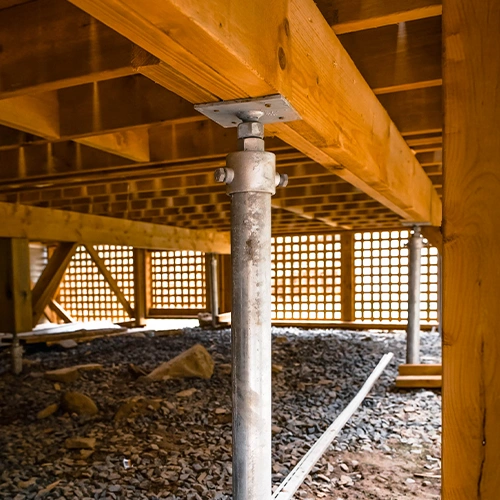
Screw piles, otherwise known as helical piles, are a modern alternative with many advantages, and are now generally considered to be superior to concrete footings for deck foundations. They are much quicker to install, cause minimal site disruption and have an instant load-bearing capacity unlike concrete, which reaches its full designed compressive strength after 28 days.

soutenement pieux visses 3

Why Choose Screw Piles?

Screw piles offer a cost-effective, sustainable and reliable alternative to poured concrete, especially in the diverse construction environments found in Australia, particularly when soil conditions are weak, access is limited or installation speed is important.

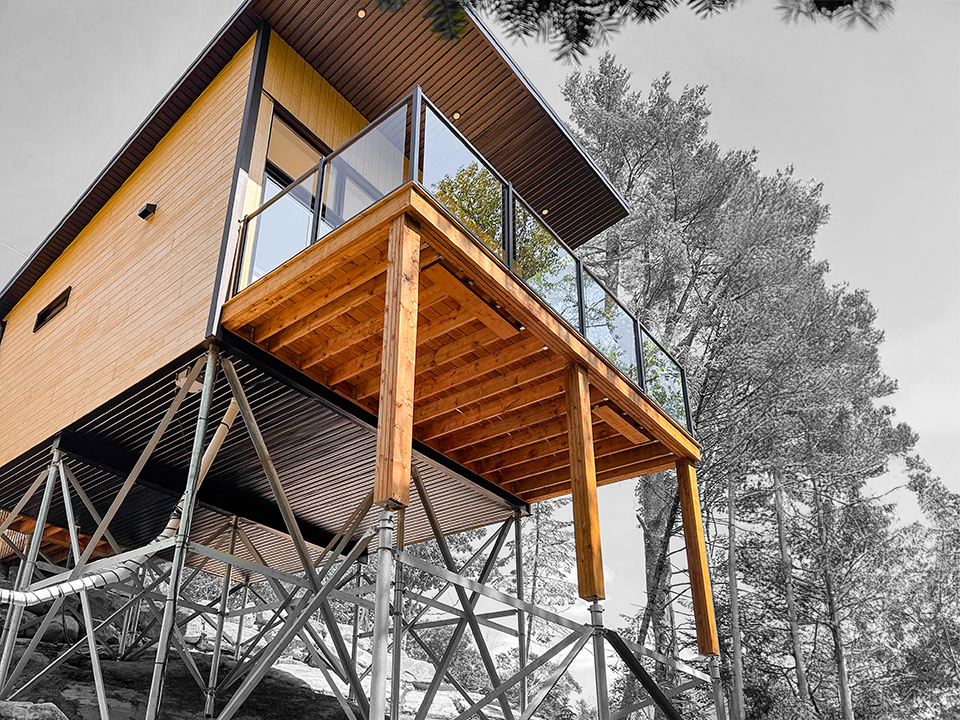
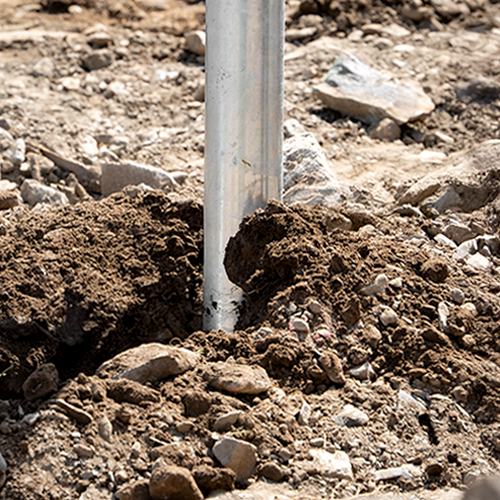
Screw piles are installed quickly allowing building work to start immediately. They are ideal for slopes and challenging soils because they can anchor deeper into more stable soil layers providing a solid foundation, especially in clay soil which is prone to movement and subsidence. They are highly resistant to frost heave and ground movement.

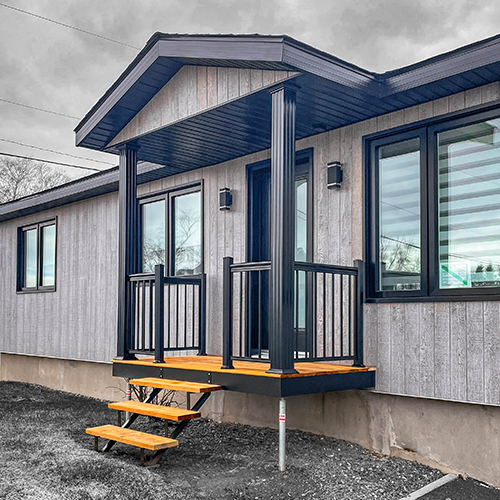
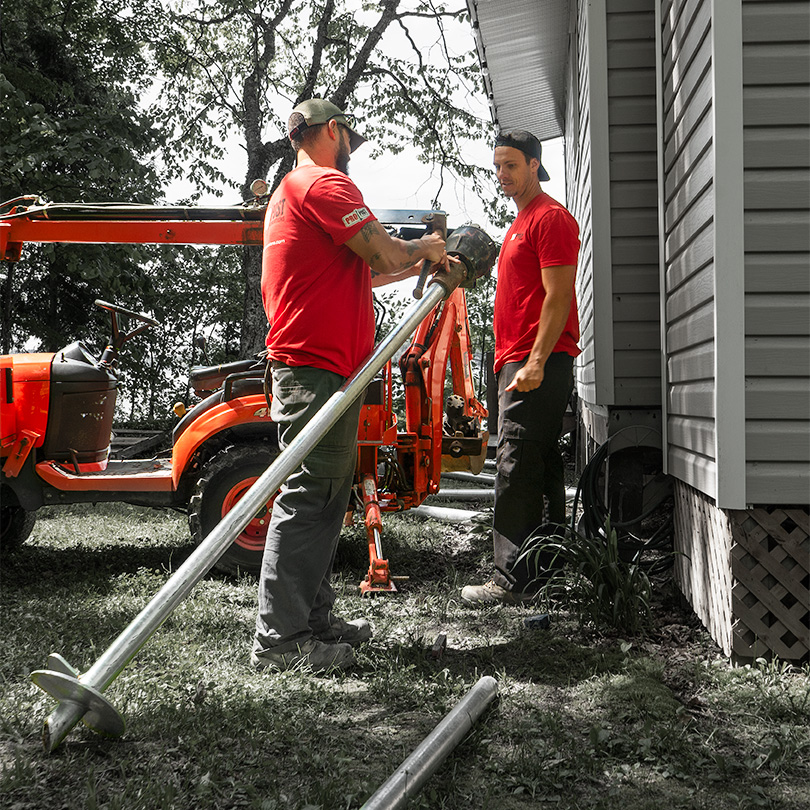
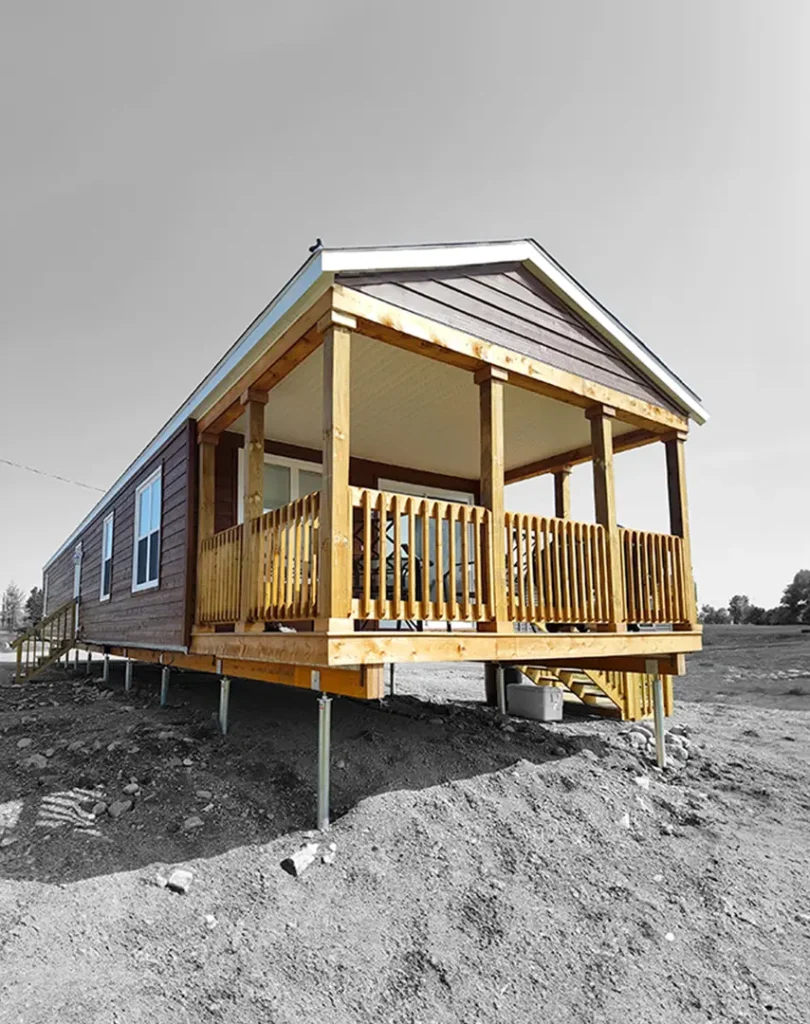
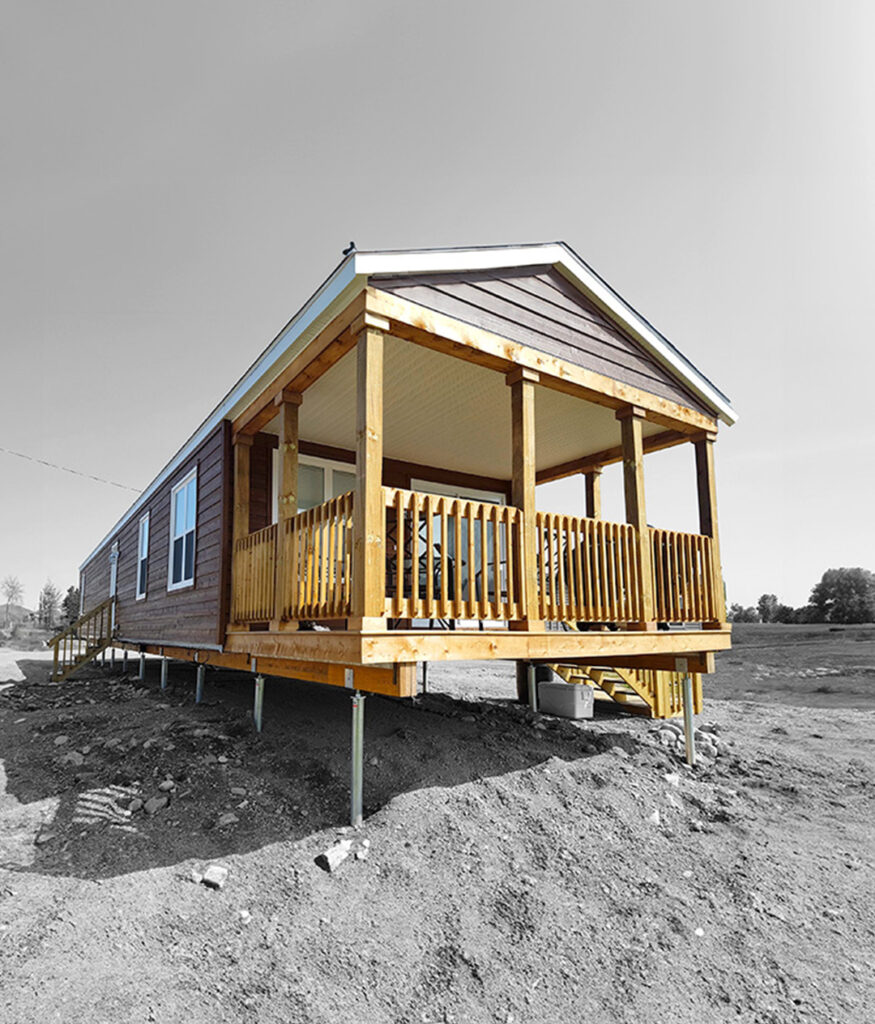
The installation of screw piles requires little or no excavation, making them an ideal choice for established homes and landscaped gardens. There is less mess, less soil removal and less damage to land, and they are perfect for residential projects like decks, pergolas and carports.

Les projets possibles sur fondation de pieux visses 810x1024

Environmental Considerations

Aside from providing superior strength and more stable, longer lasting foundations, screw piles are a far greener choice than traditional concrete. They use less material and energy-intensive manufacturing processes, and the installation process does not require any chemicals or concrete curing, so there is no danger of ground contamination.

Screw piles offer reduced waste as they are typically made from steel which can be recycled. Unlike concrete they can be removed and reused, or completely taken out and the land can be restored to its natural state. Due to minimal soil disturbance and reduced noise and vibration during installation, they are ideal for use in environmentally sensitive areas as they don’t disturb wildlife and help protect natural ecosystems.
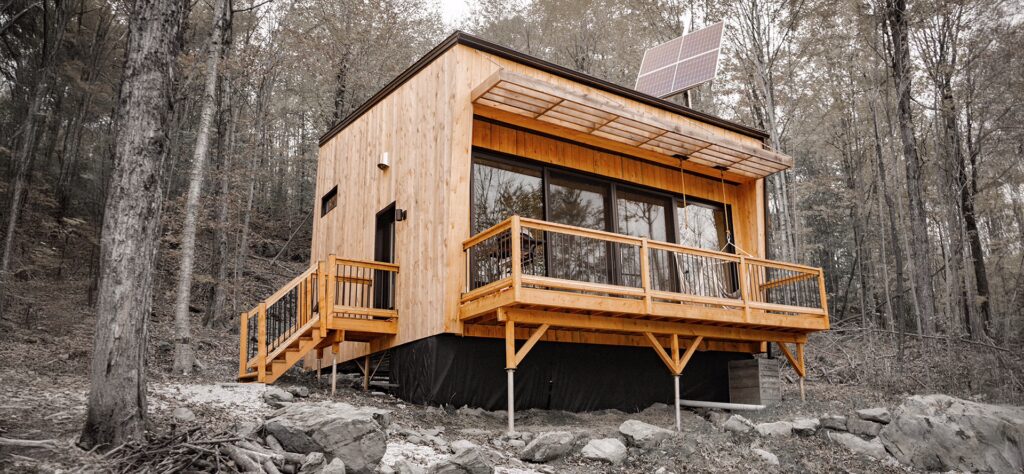
Pro post foundations screw piles 1024x474

The Cost-Effective Choice for Deck Foundations

While initial material costs may appear higher, investing in screw piles makes cost-effective and long-term investment sense. Due to the speed of installation, projects are often completed in one day with a small crew without the need for large, specialised machinery that is needed for excavation when installing concrete footing. There are no construction delays due to bad weather as screw piles can be installed at anytime, and minimal site disturbances during installation means minimal clean-up costs.

Screw piles are perfect for all deck foundations, but work particularly well if you have sloping land, weak soil, tight access areas or speed sensitive projects. To learn more, visit Pro Post Foundations today.

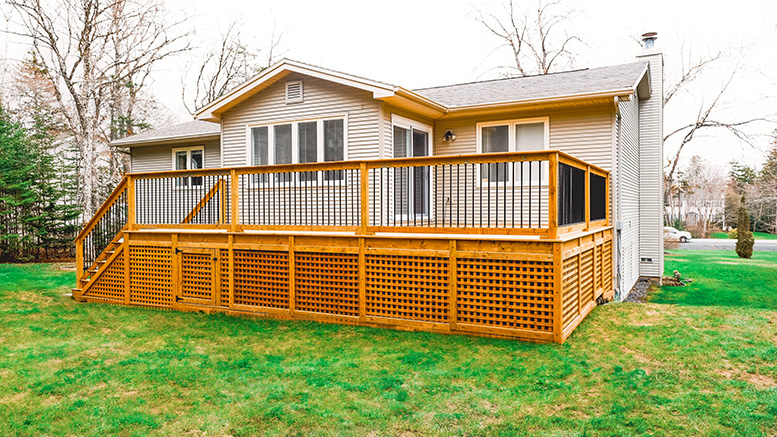
machinerie mauricie sur pro pieux visses
read more
ex KKWhen Should you use Screw Piles for Deck Foundations

Are Screw Piles Suitable for Home Additions and Extensions?

by ex KK on 2026-05-07 No comments

Are Screw Piles Suitable for Home Additions and Extensions?

Screw piles have become increasingly popular for home additions and extensions, but are they really worth all the fuss, and are they actually more suitable than traditional concrete footings?

The answer, simply, is yes. Screw piles are superior on many aspects, and chiefly because of the superior stability and durability they provide. Concrete can crack or settle over time, but screw piles are highly resistant to frost heave and shifting soil as they anchor deeper in the ground into stable soil layers, providing a firmer foundation. They are considered to be a modern, durable and cost-effective choice for most types of residential projects, and offer a more stable and longer lasting foundation than traditional methods.

installateur pieux visses prix pro pieux

Screw Piles: The Greener Option for Modern Construction

Screw piles are a forward-thinking alternative to concrete and considered to be a ‘greener’ option for most modern foundations. Unlike concrete footings, they require minimal soil and site disruption, eliminating the need for heavy lorry traffic to transport dirty away, reducing CO2 emissions. They do not require heavy machinary to dig large holes, and because screw piles are installed directly into the ground they cause minimal soil disturbance and disruption to the local wildlife and ecosystem.

The carbon footprint of screw piles is significantly lower (up to 70-80% lower) than concrete, which is considered to be a carbon-intense production, and choosing them over concrete greatly reduces the risk of contaminating local water courses with chemicals or concrete run-off.

Yet one of the main advantages about them is that they are removable and reusable, so they can be easily unscrewed, removed and used again on another project. They also promote a circular construction economy, because at the end of their life they can be recycled as scrap metal, providing a ‘cleaner’ and more environmentally-friendly foundation.

installateur pieux visses methode installation 1024x819

Installation Advantages of Using Screw Piles

Your extension has been designed, approved and construction is about to begin, but, then the weather takes a turn for the worse. Well with screw piles that doesn’t matter. They can be installed year-round, because unlike concrete they don’t require specific temperature and moisture conditions in order to cure properly. Screw piles can be installed effectively in rain, snow or freezing conditions, meaning you can get on with your project in the desired time-frame, without any costly delays.

Once screw piles have been installed they provide immediate load-bearing capacity, so there is no waiting time for drying or curing as there is with concrete, allowing for immediate structure assembly. The rapid installation time to install screw piles means that projects which may have taken weeks (or even months) to finish, can often be completed in a single day.

Screw piles are suitable for various deck sizes, pergolas and even underpinning existing structures. They are ideal for uneven terrain and provide stability in clay, sand or soft soils. They are quick and simple to install, especially where access is restricted, and ideal if you want minimal disruption and fast results. To learn more, visit Pro Post Foundations today.

screw pile foundation installation comparison
read more
ex KKAre Screw Piles Suitable for Home Additions and Extensions?

How Screw Pile Foundations Perform in Canadian Soil Conditions

by ex KK on 2026-04-19 No comments

How Screw Pile Foundations Perform in Canadian Soil Conditions

Effective foundations are essential for the stability and longevity of any building. When using screw pile foundations, correct installation depends on a soil analysis that identifies the type of soil and defines the characteristics needed for the installation.

Soil types in Canada can be particularly challenging when constructing any type of foundations. Winters can bring extremely low temperatures that freeze the soil for long periods and permafrost is experienced in northern regions. Many parts of Canada can also have clay soils that bring their own challenges.

screw pile installer residential project

Screw Pile Foundations in Frozen Ground

When water freezes it expands, so water-laden soil experiences a process known as frost heave that can lift foundations. When the water in soil thaws, it contracts and can create gaps that compromise the stability of foundations. This constant freezing and thawing cycle can cause concrete foundations to move out of alignment, resulting in cracks and tilting that require repair. Laying concrete foundations in freezing conditions is also difficult, with the likelihood of extended curing times and reduced strength.

Whereas concrete foundations are quite shallow, screw piles go deep into the ground, below frost depth and into stable soil, so they are not affected by movements caused by freeze/thaw cycles. Their screw-like design means they are anchored securely into the ground, and they can be installed in even the coldest of conditions.

Frozen ground requires special treatment to allow for the settlement and movement. Screw piles must be installed deep enough and require treatment to prevent corrosion.

screw piles installation pro post foundations

Screw Pile Foundations in Clay Soil

A large proportion of Canada has clay soil, and this presents particular challenges. Clay soil is very dense and retains water, so it expands when wet and contracts as it dries, causing concrete foundations to shift and crack.

Screw piles go deeper into the ground than concrete foundations and so are not affected by soil shifts. In fact, clay gives excellent grip for the helical blades of a pile and provides lateral stability.

Installing foundations on clay soil affects the design of the screw piles. Larger diameter shafts with thick walls and correct helix sizing and spacing are necessary for effective use and proper load distribution. All steel components must be galvanised to prevent corrosion in moisture-retaining clay.

Pro post foundations screw piles 1024x474

Effective Installations for all Soil Types

All Pro Post Foundations screw piles are specifically designed and installed for the required load and type of soil where they are used. They are quicker to install than concrete foundations, reduce overall costs, create less disruption and are effective in all conditions as well as being durable and very long-lasting.

All our screw pile installations comply with the National Building Code of Canada, conforming to required depths and torque thresholds. Every component is fully engineered to meet load requirements and soil conditions so you can be sure your building is stable and secure. For a fast and effective start to your construction project whatever the challenges, get in touch today.

Chalet Lanaudiere Roc pro pieux visses 2
read more
ex KKHow Screw Pile Foundations Perform in Canadian Soil Conditions

Helical Piles vs. Screw Piles: Are They the Same Thing?

by ex KK on 2026-04-19 No comments

Helical Piles vs. Screw Piles: Are They the Same Thing?

Helical piles and screw piles are different terms to describe the same technology. They are used in the construction industry to provide stable and effective foundations as an alternative to traditional concrete versions.

The reason for the different terms dates back to the origins of the technology. Helical piles were invented in Great Britain and patented in the 1830s. They were named ‘screw piles’ because they operate like a giant screw and the term is still used there today, as it is in Canada. The USA, however, tends to use the terms ‘helical pier’ or ‘helical pile’ because they are thought to be more technically correct. The terms ‘screw pier’ or ‘augured steel pile/pier’ may also be used but they will refer to the same device.

Screw Piles foundations pro post foundations 1024x951

What is a Helical Pile or Screw Pile?

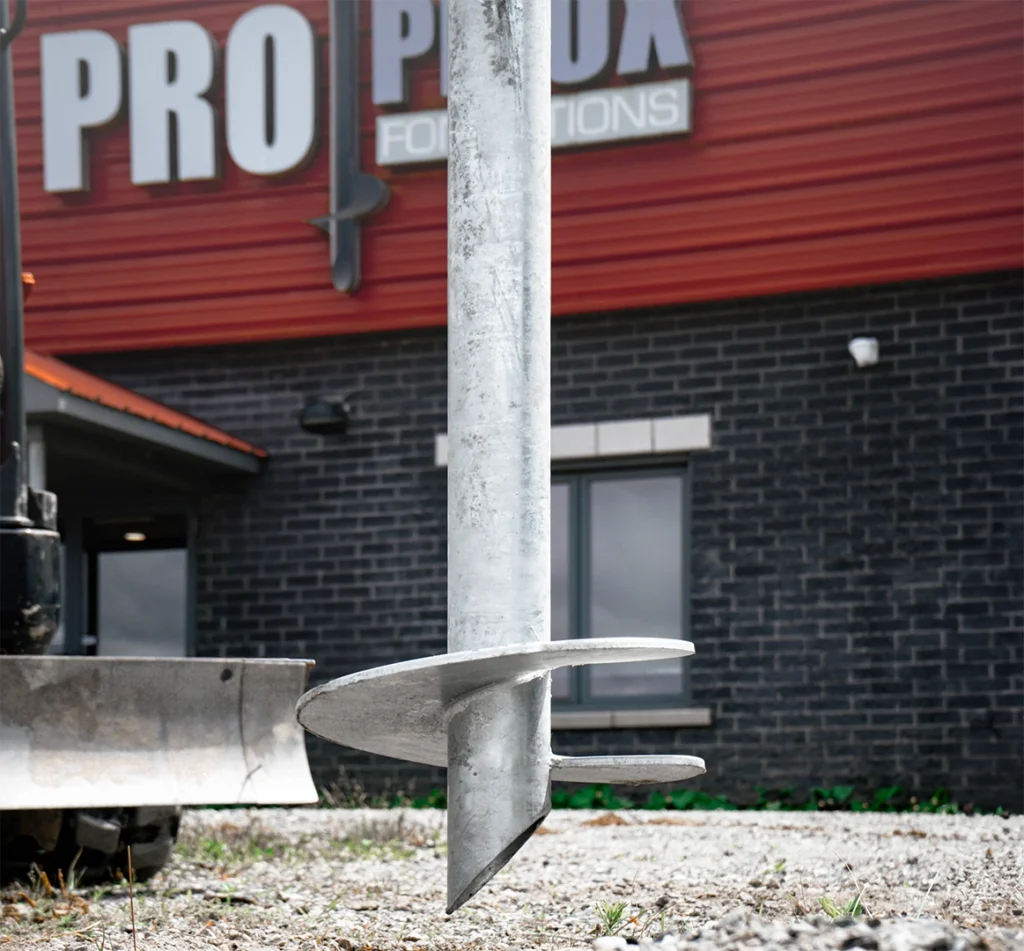
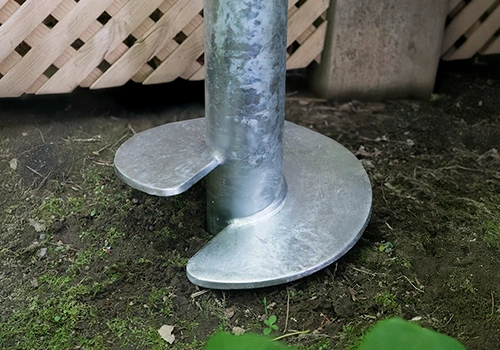
To qualify for the term, a helical pile or screw pile must have certain specific features. Each one comprises a central steel shaft that has helical plates attached. These plates act like the thread of a screw, enabling the pile to be rotated deep into the ground so it forms a very strong foundation. A cap is added to the shaft to connect the foundation to the building.

All parts of a screw pile are galvanised before use so that the zinc coating provides protection against corrosion. This ensures that the structural integrity of the building is maintained and that the screw pile has a service life in excess of one hundred years.

The load-bearing capacity of a screw pile depends on the size of the pile, the depth to which it is driven into the ground and the type of soil. Piles are capable of supporting very large and heavy structures and resist ground movement and vibration so are suitable for unstable ground and areas of seismic activity.

deck balcony foundation helical piles 810x1024

Why Screw Piles are so Effective

Screw piles are fully engineered foundation systems, and each one is specifically made and installed to fit in with the ground conditions and the needs of a particular project. The installation follows a thorough site inspection and soil analysis that determine how deep the piles need to be inserted.

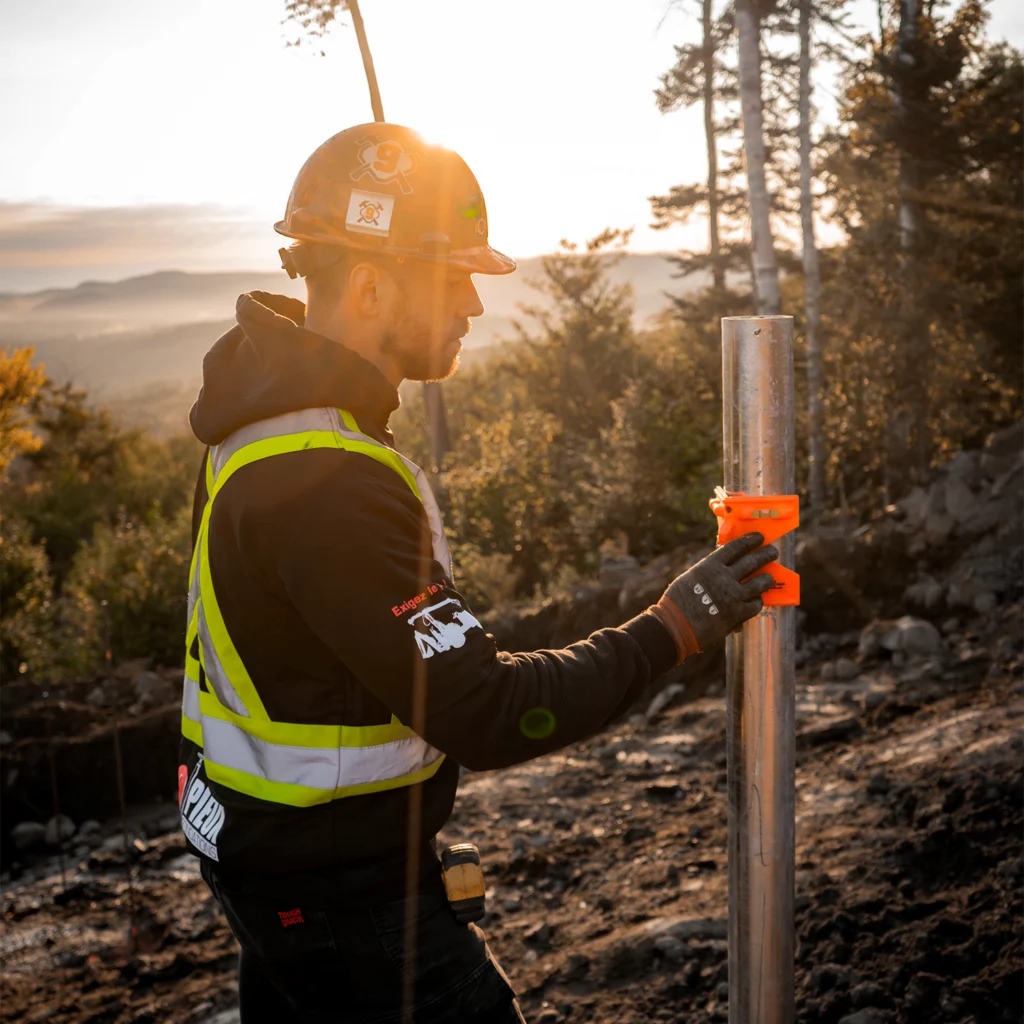
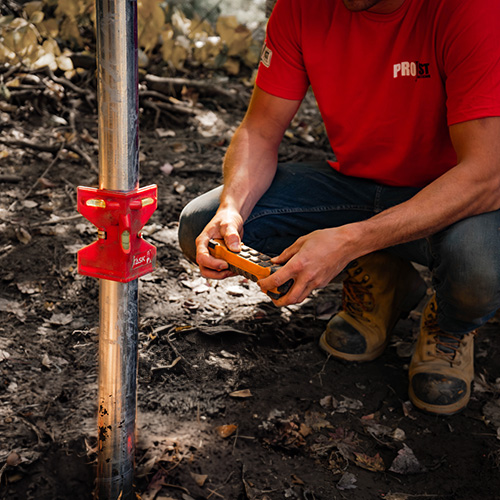
The piles are twisted into the ground by special machines with a smooth and quick process that requires little ground preparation. The difficulty of turning the shaft will indicate the tightness of the fit and the load-bearing capacity of the pile. Each pile is checked constantly during the process for alignment and the weight it can carry.

The whole process is much quicker that constructing concrete foundations, requires minimal preparation and creates little disruption or mess. This makes the piles suitable for all types of projects, especially on sites where access is restricted, and includes repairs to existing buildings where the concrete foundations have started to sink or crack.

Whatever construction project you have and the challenges you face, helical piles or screw piles can be the answer. At Pro Post Foundations, we use the best industry practices and have plenty of knowledge and experience to make every project a success. For the strongest foundations created in the most efficient manner, contact us today.

installateur pieux visses pro pieux header 1024x1024
read more
ex KKHelical Piles vs. Screw Piles: Are They the Same Thing?

What are Screw Pile Foundations? A Complete Beginner’s Guide

by ex KK on 2026-04-15 No comments

What are Screw Pile Foundations? A Complete Beginner’s Guide

All buildings require secure foundations to ensure their stability and longevity. Traditional methods of creating foundations have generally involved extensive excavations and the pouring of concrete to form a slab.

A more popular choice in many cases is the use of screw pile foundations. These provide many benefits and have the flexibility to be used on all types of projects

lanaudiere ROC percuteur 2 1024x576

Screw Pile Foundations Explained

A screw pile has three components:

  • A high-quality steel shaft that is driven into the ground with a rotating motion and transfers the load to the ground.
  • A helical plate that resembles a large screw and grips the soil to act as an anchor and provide stability.
  • A pile cap that connects the pile to the structure above it and distributes the load evenly.

The versatility of screw piling means it can be used in a variety of construction projects. These include anything from single-storey residential properties up to multi-storey commercial buildings and infrastructure projects. Different loads require varying pile types and depths, but screw piles are sufficiently flexible for all applications.

detection roche adaption methode installation 1024x819

The Benefits of Screw Piling

Screw piles offer numerous advantages over traditional methods:

  • Strong support is provided so there is exceptional stability and load-bearing capacity.
  • Screw piling is suitable for all soil types, whether sand, clay or rock.
  • Since the helical plates grip the soil, there is exceptional resistance to ground movement and vibration. This makes screw piling especially suitable for areas where there are seismic activity or soils that change due to variations in moisture levels.
  • Installation is much quicker, cheaper and more efficient, with minimal excavation required and no time needed for concrete or other materials to set.
  • The system is particularly suitable for sites with restricted access since heavy excavation equipment is not necessary.
  • Limited excavation reduces the environmental impact.
petite roche installation pieux visses 1024x819

Installing Screw Piling

To install screw piling properly, a thorough site investigation needs to be conducted together with soil analysis. Combined with the type of building to be constructed, this will determine the necessary installation depth and the configuration of the screw pile.

Based on the results of the investigation and load requirements, screw piles will be designed and constructed. Site preparation will then be carried out, including marking the positions for each pile. Installation will require the use of specialised machinery to enable the piles to be screwed into the ground. Quality control measures will be implemented to ensure proper pile depth and alignment, so the correct load-bearing capacity is achieved.

Proper installation will only be achieved by experienced operators using industry best practice. Ensure, therefore, that you choose a company with the necessary project experience, that has all required qualifications and certifications and has the expertise and resources to be able to carry out the installation properly, safely and in compliance with regulations.

At Pro Post Foundations, we have extensive experience in installing screw piles for all types of projects and soil types. We can provide exactly the efficient and stable foundation you need so get in touch and we can help make your project a success.

sol en roc pieux visses 1024x819
read more
ex KKWhat are Screw Pile Foundations? A Complete Beginner’s Guide

Screw Piles vs. Concrete Foundations: Cost, Installation Time & Long-Term Performance

by ex KK on 2026-04-15 No comments

Screw Piles vs. Concrete Foundations: Cost, Installation Time & Long-Term Performance

For any construction project, good foundations are vital because they provide essential support for a building. Concrete has been the accepted material for foundations for many years but screw piles are taking over in several instances due to the numerous benefits they bring in terms of installation efficiency, cost savings and longevity.

Screw piles use steel components that comprise shafts that are screwed into the ground, pile caps that are connected to the structure and helical plates that anchor the structure to the ground. Concrete is the more traditional foundation material and requires extensive preparation work so that concrete can be poured to form a solid base for the building construction.

Both methods are commonly used in construction. However, each type has particular features that influence the choice of materials.

Pro pieux fondations installation pieux visses 1024x576

Installation Time

Concrete foundations require trenches to be dug or formwork to be installed to contain the fresh concrete. The concrete may also need to be reinforced with metal (rebar) for extra strength and, once it has been poured and levelled, will need to be left to cure before construction can start. The whole process may take several days.

Site preparation for screw piles is minimal, generally simply needing the area to be reasonably level. Once this is done, the piles are screwed into the ground using specialist machinery and construction can then begin immediately. Screw piles can be installed in a matter of hours, and no clean-up is needed afterwards.

Screw piles can be installed in almost any weather whereas concrete laying can be delayed by adverse weather conditions and can cause project schedules to slip.

rampe station hockey pro pieux visses 2

Cost

Screw piles are made from high quality steel, which is generally more expensive than concrete. However, when you add in the cost of excavation, formwork and rebar, plus the extra cost of pouring and levelling the concrete, screw piles probably work out cheaper.

Installing screw piles is much quicker and therefore less costly than for concrete and there are no delays waiting for the material to cure so less chance of penalty charges being incurred for late delivery. Similarly, weather delays are unlikely when using screw piles and labour costs for site preparation and installation are significantly lower.

estimation transparente fr pro pieux

Long-Term Performance

Concrete foundations are extremely durable but can crack or settle if the underlying ground shifts and may need remedial work such as underpinning to reinforce them. Screw piles will have coatings to resist corrosion and are particularly effective on unstable ground. They are especially suitable for areas with seismic activity or if the soil is prone to shifting and rarely require repair or replacement.

You only gain the full benefits of screw piles if they are correctly designed and installed for the loads they need to bear and the soil types where they are used. At Pro Post Foundations, we will always ensure your screw piles are suitable for the particular job so contact us for cost-effective, durable and completely stable foundations for every project.

La Cabane en Bois Rustique 2
read more
ex KKScrew Piles vs. Concrete Foundations: Cost, Installation Time & Long-Term Performance

The Complete Guide to Helical Piles

by ex KK on 2026-02-22 No comments

The Complete Guide to Helical Piles

When a foundation problem arises, or when designing a construction project on difficult soil, the language becomes technical quite quickly. There may be phrases like ‘underpinning’, ‘piers’, and ‘screw piles’.

Today, the helical pile is one of the most versatile and dependable solutions in the world of construction. What are they, and why are they no

patio inspiration fr en 875x1024

What is a Helical Pile?

A ‘helical pile’ is one large screw built from high-strength steel. The central shaft is made up of one or more helix-shaped plates (bearing plates), which are all welded to it. Just like a wood screw turns into a plank to fit two pieces of wood together, the helical pile twists deep and long into the ground itself in the process of anchoring a structure.

Unlike traditional concrete footings that depend upon the friction of soil against the sides of concrete, helical piles take that structure’s weight deep underground to stable, load-bearing soil layers.

PP Blogue 04 Image 02 1024x593

When are They Used?

Helical piles are truly powerful tools. They’re often used in two main situations:

  • New Construction: Should you be constructing on sandy, swampy, or generally unstable ground, pouring a base of standard concrete is a risk. The first choice is helical pile installation.
  • Foundation Repair: The majority of helical pile application is in this type of repair. If you have noticed signs of settling such as cracking drywall, doors sticking or uneven floors, for example, you can use helical piles to lift the foundation back to its original position and ensure it stays in place.

The Benefits of Going Helical

Why do builders and construction experts like this process more than conventional concrete piers?

  • Speed: The installation is fast. There is no waiting for the concrete to cure. Once in the ground, the pile can support weight straight away.
  • Minimal Disturbance: Big excavators aren’t usually required. installation of Helical pile equipment is relatively light, so your landscaping does not need to be torn down to preserve the foundation.
  • Precision: Installers can determine the torque (rotational force) during installation. This data translates directly to the load-bearing capacity of the pile, making sure that the pile is strong enough before the job is even done.
  • All-Weather Installation: Since there is no concrete to set, helical piles can be set up in wet conditions, temperatures or rainy weather.
Abris Auto Carport blogue 11 Copie

The Installation Process

The process of helical pile installation is a masterpiece of engineering efficiency. It goes like this:

  • Excavation: Tiny holes are dug around the foundation footing to reveal the base of the structure.
  • Placement: The helical pile is mounted on a hydraulic drive head. This process means that the pile is mechanically screwed down into the ground.
  • Extension: When the pile reaches deeper, steel extension shafts are attached until the helix plates can descend to competent, load-bearing soil or bedrock.
  • Lifting and Bracketing: A steel L-shaped bracket is placed underneath your current foundation footing once the target depth and torque are reached. Hydraulic jacks then raise the building to a level position.
  • Restoration: After the construction site is properly stabilised, the excavation holes are filled up and the site is cleaned up.

Whether you are building a new deck on solid ground or saving a sinking house, helical piles are an engineering-backed permanent solution to the issue. They eliminate the guesswork that goes into foundation support and give the assurance that your structure remains centred on solid ground. Contact us today to get your free estimate from a local expert.

garantie 3 etapes 2

In short

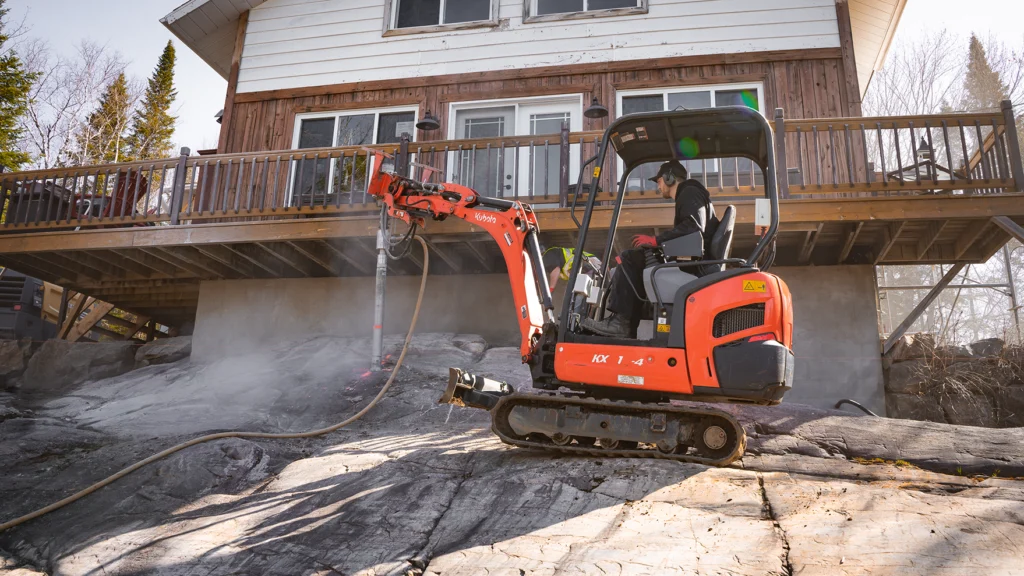
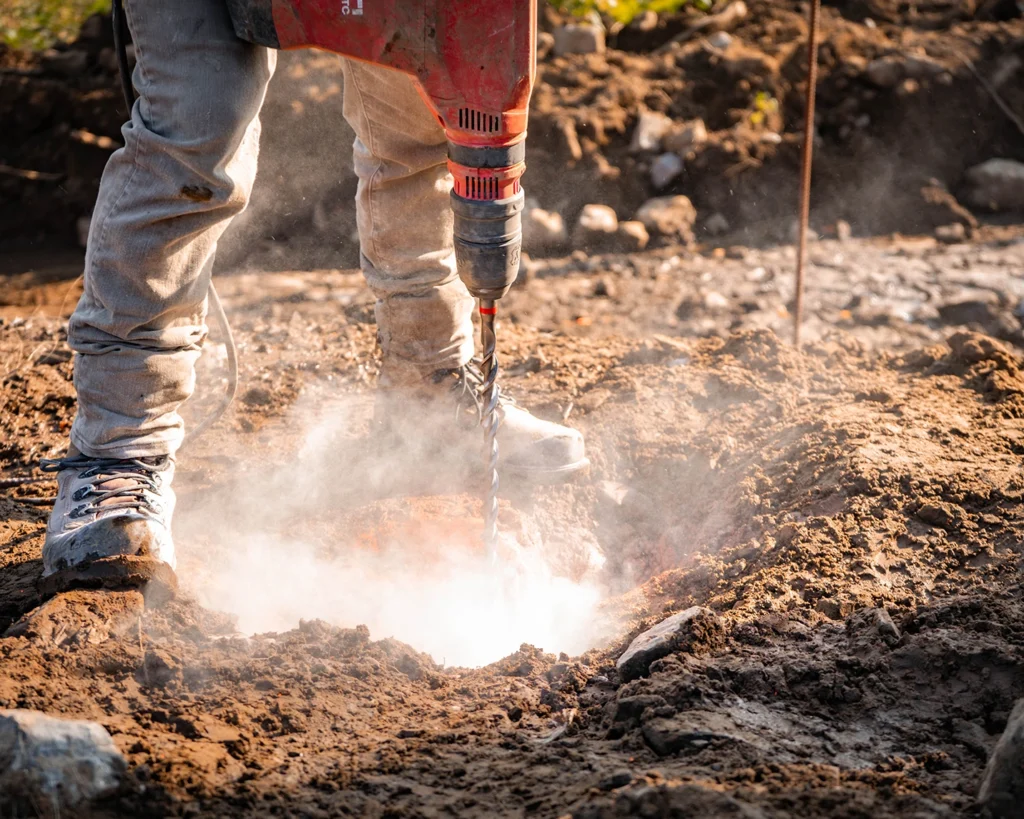
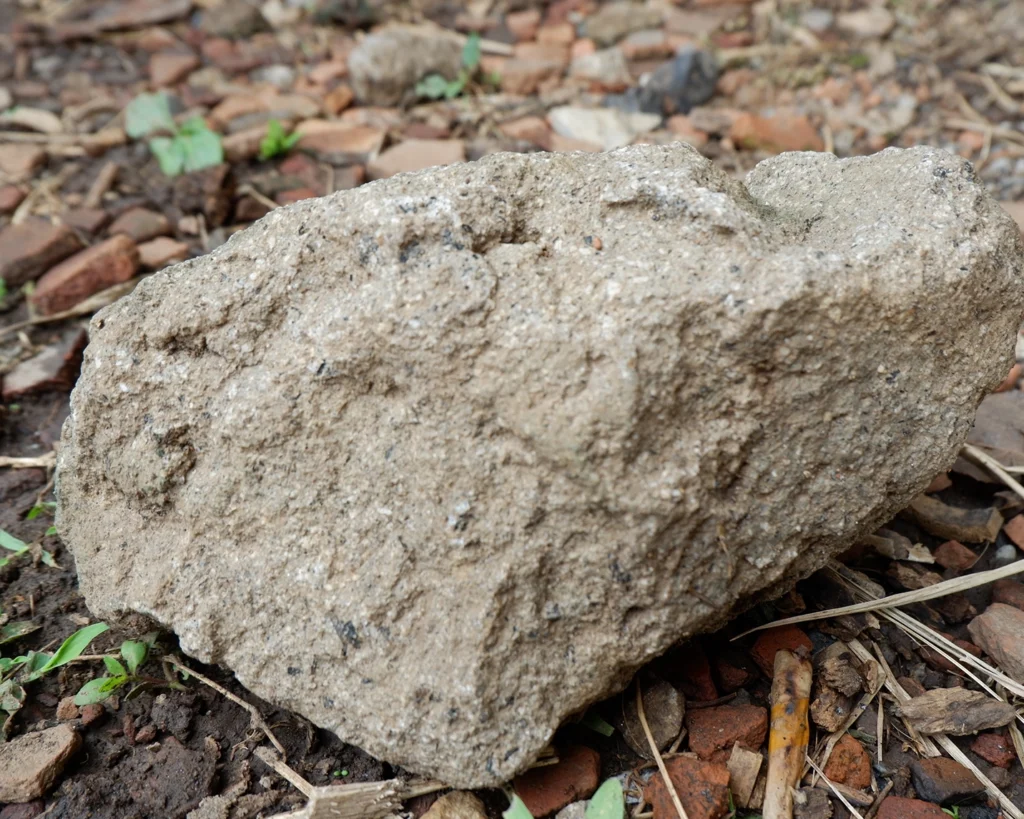
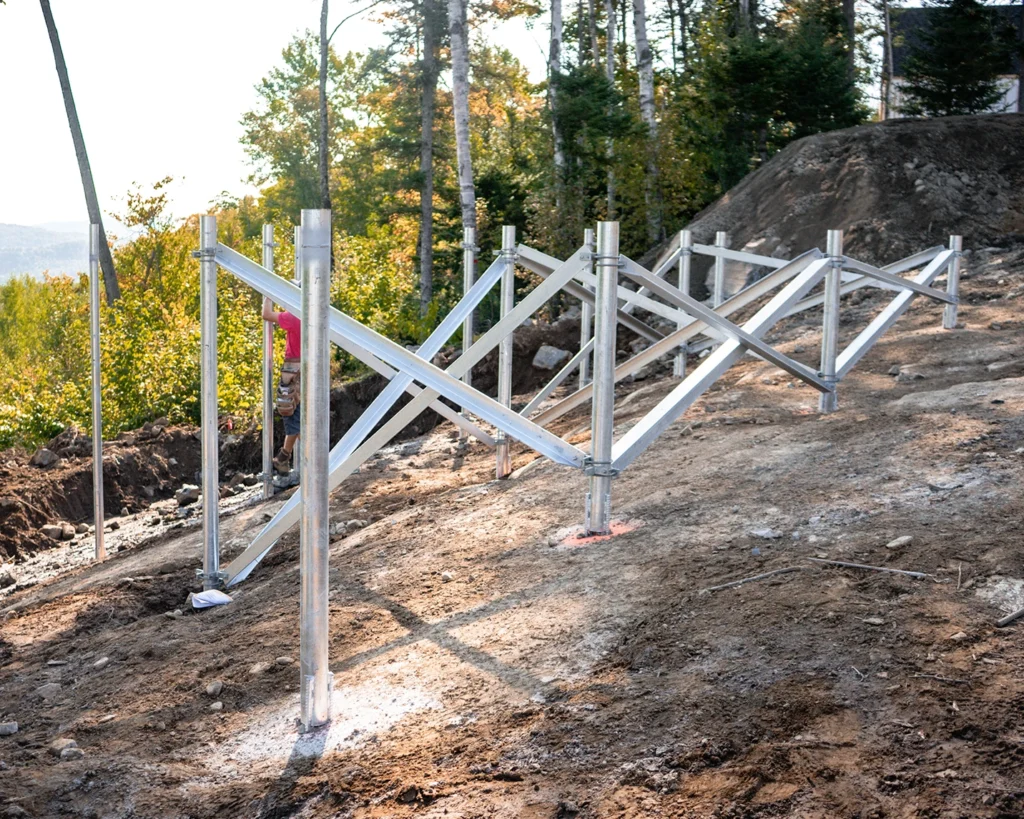
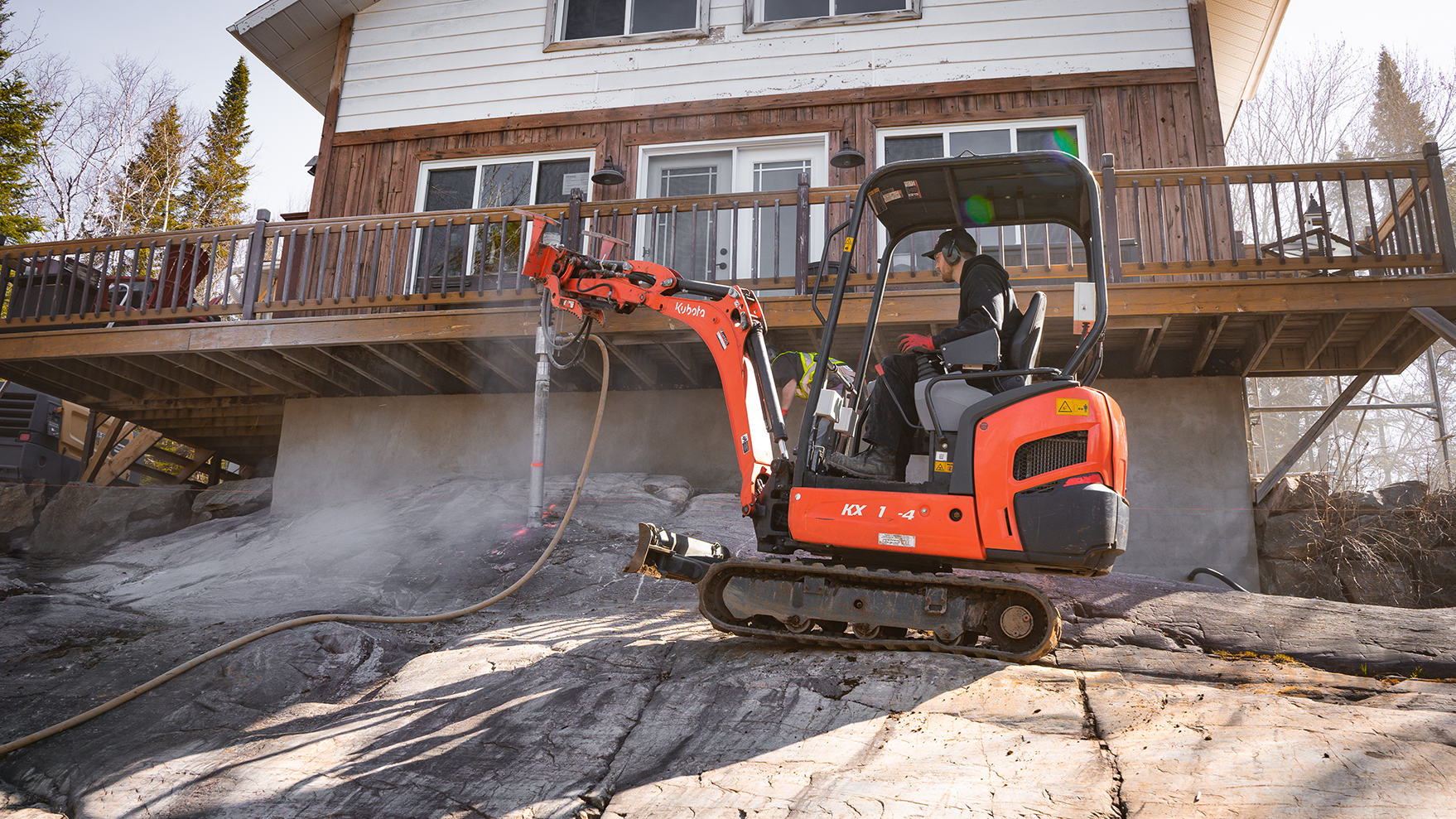
Whether it’s a small rock, rock-filled soil, or a massive stone hidden beneath the surface, there’s always a solution for installing your screw piles safely and durably. Our expertise and specialized tools enable us to meet this challenge in all conditions.

Tell us about your project !

Contact your installer for an assessment and find out how we can anchor your foundations, even on rocky ground :  https://propostfoundations.com/installer/

read more
ex KKThe Complete Guide to Helical Piles