
Screw Piles vs. Concrete Foundations: Cost, Installation Time & Long-Term Performance
For any construction project, good foundations are vital because they provide essential support for a building. Concrete has been the accepted material for foundations for many years but screw piles are taking over in several instances due to the numerous benefits they bring in terms of installation efficiency, cost savings and longevity.
Screw piles use steel components that comprise shafts that are screwed into the ground, pile caps that are connected to the structure and helical plates that anchor the structure to the ground. Concrete is the more traditional foundation material and requires extensive preparation work so that concrete can be poured to form a solid base for the building construction.
Both methods are commonly used in construction. However, each type has particular features that influence the choice of materials.
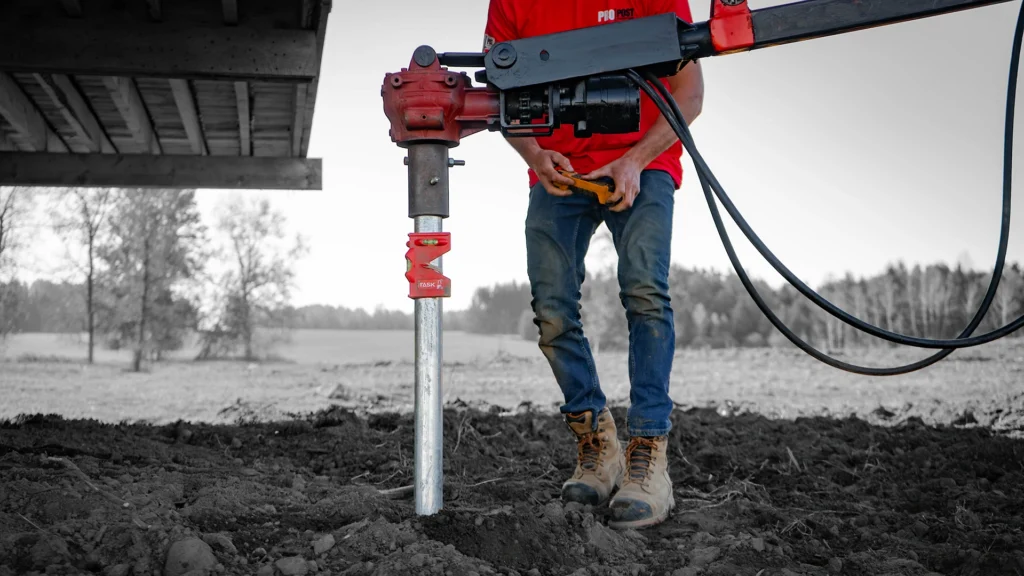
Installation Time
Concrete foundations require trenches to be dug or formwork to be installed to contain the fresh concrete. The concrete may also need to be reinforced with metal (rebar) for extra strength and, once it has been poured and levelled, will need to be left to cure before construction can start. The whole process may take several days.
Site preparation for screw piles is minimal, generally simply needing the area to be reasonably level. Once this is done, the piles are screwed into the ground using specialist machinery and construction can then begin immediately. Screw piles can be installed in a matter of hours, and no clean-up is needed afterwards.
Screw piles can be installed in almost any weather whereas concrete laying can be delayed by adverse weather conditions and can cause project schedules to slip.
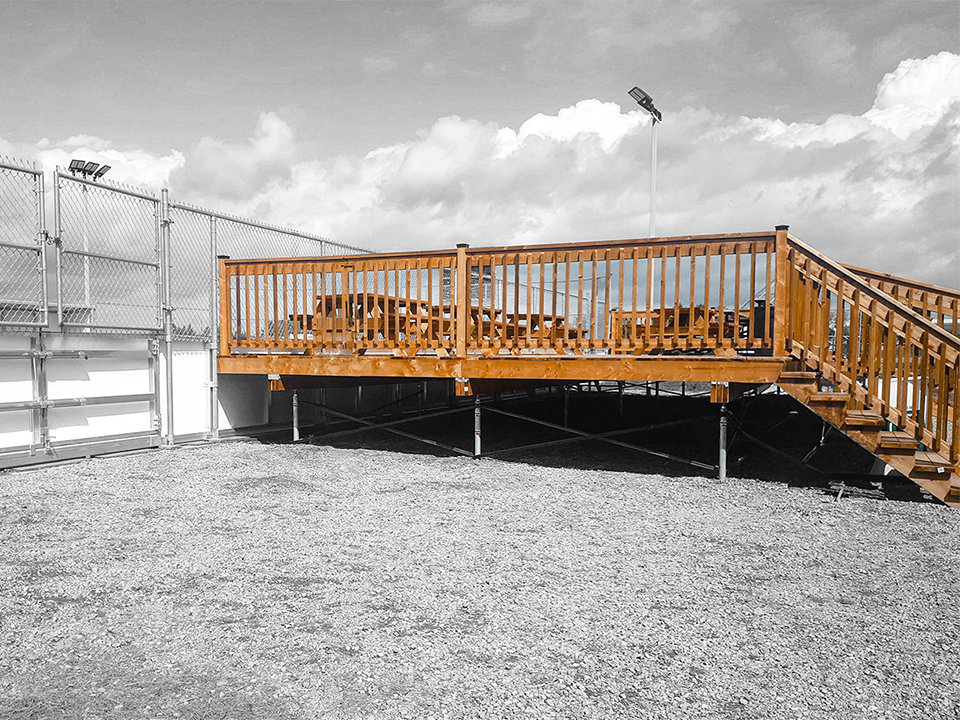
Cost
Screw piles are made from high quality steel, which is generally more expensive than concrete. However, when you add in the cost of excavation, formwork and rebar, plus the extra cost of pouring and levelling the concrete, screw piles probably work out cheaper.
Installing screw piles is much quicker and therefore less costly than for concrete and there are no delays waiting for the material to cure so less chance of penalty charges being incurred for late delivery. Similarly, weather delays are unlikely when using screw piles and labour costs for site preparation and installation are significantly lower.
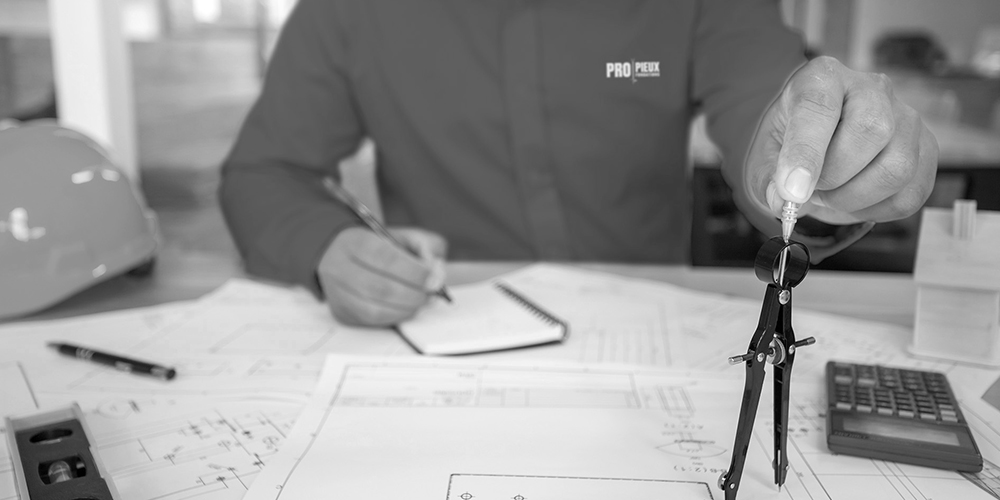
Long-Term Performance
Concrete foundations are extremely durable but can crack or settle if the underlying ground shifts and may need remedial work such as underpinning to reinforce them. Screw piles will have coatings to resist corrosion and are particularly effective on unstable ground. They are especially suitable for areas with seismic activity or if the soil is prone to shifting and rarely require repair or replacement.
You only gain the full benefits of screw piles if they are correctly designed and installed for the loads they need to bear and the soil types where they are used. At Pro Post Foundations, we will always ensure your screw piles are suitable for the particular job so contact us for cost-effective, durable and completely stable foundations for every project.
