Helical Piles vs. Screw Piles: Are They the Same Thing?
Helical piles and screw piles are different terms to describe the same technology. They are used in the construction industry to provide stable and effective foundations as an alternative to traditional concrete versions.
The reason for the different terms dates back to the origins of the technology. Helical piles were invented in Great Britain and patented in the 1830s. They were named ‘screw piles’ because they operate like a giant screw and the term is still used there today, as it is in Canada. The USA, however, tends to use the terms ‘helical pier’ or ‘helical pile’ because they are thought to be more technically correct. The terms ‘screw pier’ or ‘augured steel pile/pier’ may also be used but they will refer to the same device.
What is a Helical Pile or Screw Pile?
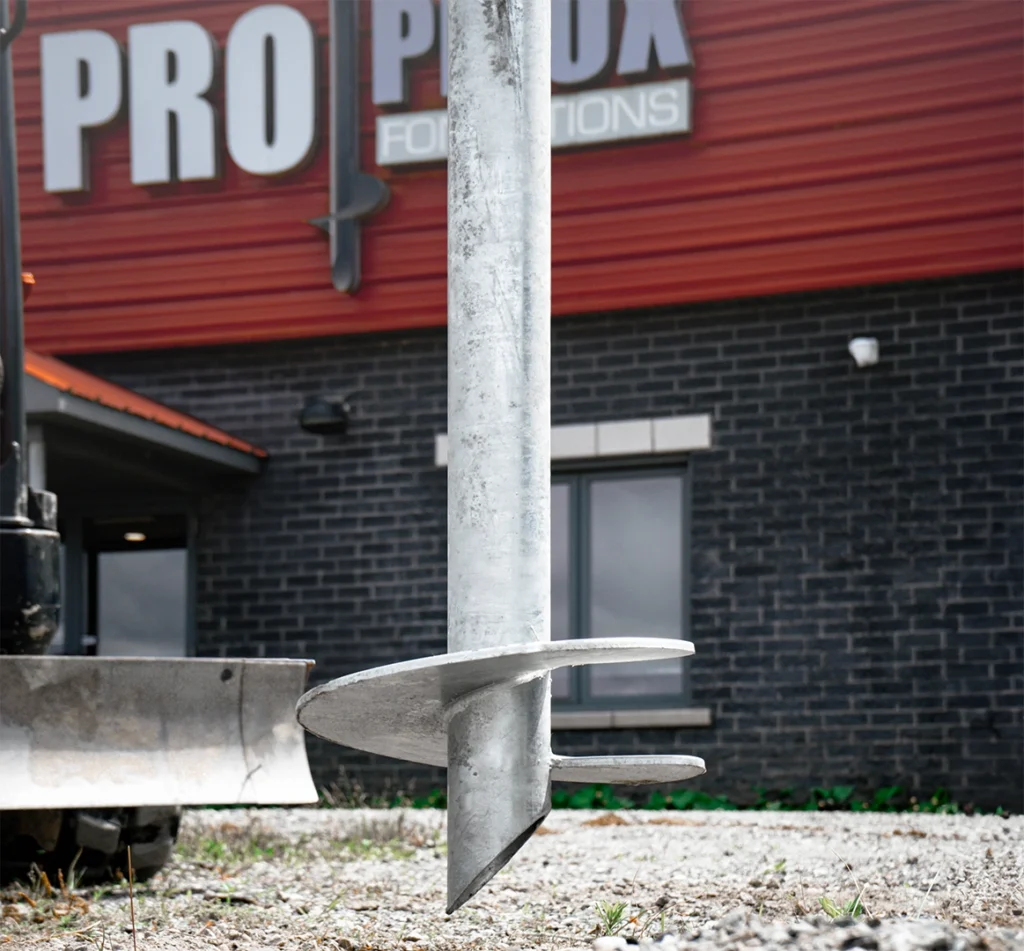
To qualify for the term, a helical pile or screw pile must have certain specific features. Each one comprises a central steel shaft that has helical plates attached. These plates act like the thread of a screw, enabling the pile to be rotated deep into the ground so it forms a very strong foundation. A cap is added to the shaft to connect the foundation to the building.
All parts of a screw pile are galvanised before use so that the zinc coating provides protection against corrosion. This ensures that the structural integrity of the building is maintained and that the screw pile has a service life in excess of one hundred years.
The load-bearing capacity of a screw pile depends on the size of the pile, the depth to which it is driven into the ground and the type of soil. Piles are capable of supporting very large and heavy structures and resist ground movement and vibration so are suitable for unstable ground and areas of seismic activity.
Why Screw Piles are so Effective
Screw piles are fully engineered foundation systems, and each one is specifically made and installed to fit in with the ground conditions and the needs of a particular project. The installation follows a thorough site inspection and soil analysis that determine how deep the piles need to be inserted.
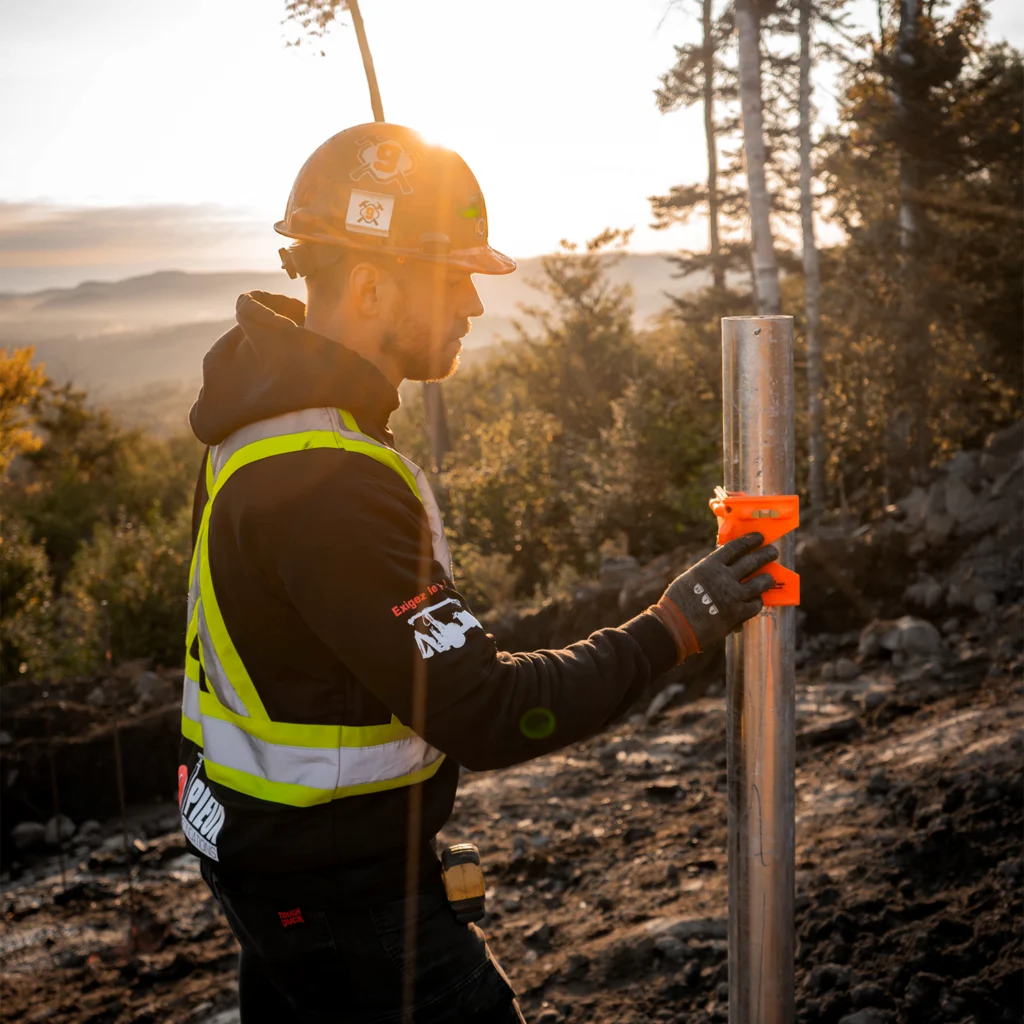
The piles are twisted into the ground by special machines with a smooth and quick process that requires little ground preparation. The difficulty of turning the shaft will indicate the tightness of the fit and the load-bearing capacity of the pile. Each pile is checked constantly during the process for alignment and the weight it can carry.
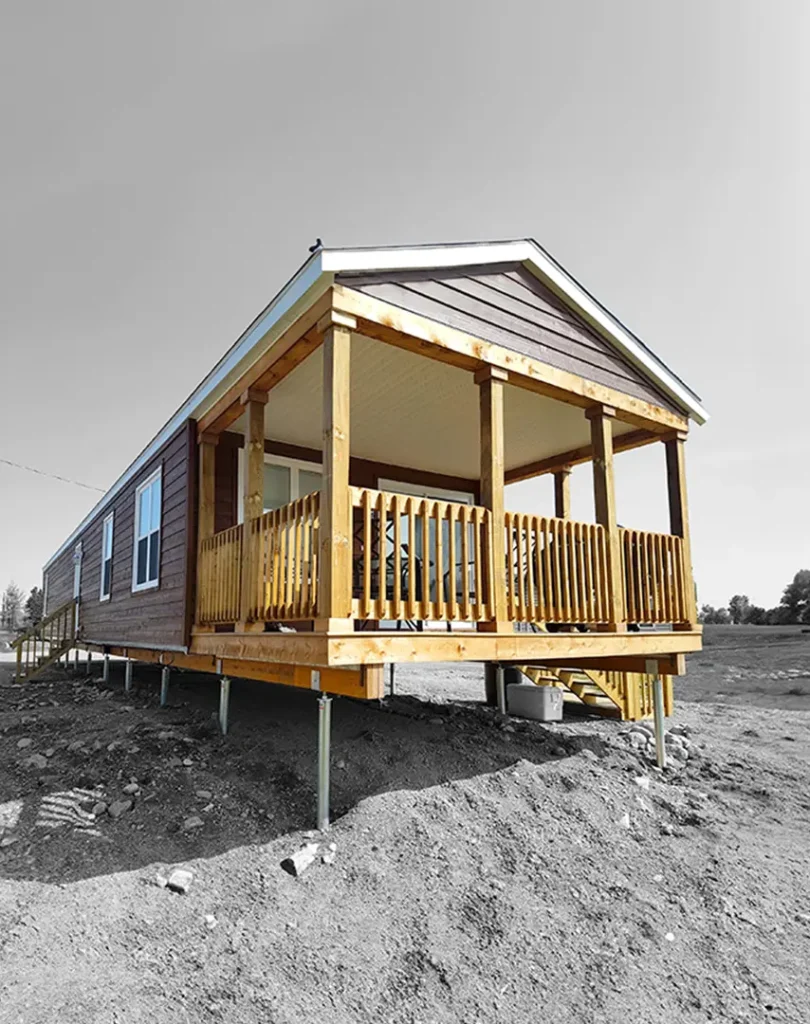
The whole process is much quicker that constructing concrete foundations, requires minimal preparation and creates little disruption or mess. This makes the piles suitable for all types of projects, especially on sites where access is restricted, and includes repairs to existing buildings where the concrete foundations have started to sink or crack.
Whatever construction project you have and the challenges you face, helical piles or screw piles can be the answer. At Pro Post Foundations, we use the best industry practices and have plenty of knowledge and experience to make every project a success. For the strongest foundations created in the most efficient manner, contact us today.